

Best Upholstery Fabric Types for Florida Homes
A sofa can look exceptional in a showroom and still be the wrong choice for a sun-filled Cape Coral great room, a busy Naples family room, or a coastal rental property. The best upholstery fabric types are not defined by appearance alone. They must suit the piece, the room, the people using it, and the Southwest Florida climate.
A fabric’s weave, fiber content, finish, color, and backing all affect how it performs over time. At Ahart Upholstery, fabric selection is part of the craftsmanship, not an afterthought. A beautifully tailored chair deserves a covering that preserves its proportions, supports daily use, and continues to feel right years after installation.
Best Upholstery Fabric Types for Lasting Performance
There is no single best fabric for every project. A formal occasional chair calls for different qualities than a sectional used by children, pets, and weekend guests. The right choice begins with an honest assessment of how the furniture will live in the home or commercial setting.
Performance fabrics for active households
High-quality performance fabrics are often the strongest all-around choice for family rooms, breakfast banquettes, media spaces, and hospitality seating. They are engineered to resist common stains, moisture, fading, and abrasion without necessarily looking technical or overly casual.
Today’s better performance textiles are available in refined woven textures, tailored solids, bouclés, velvets, and subtle patterns. This makes them especially useful when a homeowner wants the feel of a designer fabric with more forgiving day-to-day care. Many can be cleaned with water or mild soap, although care instructions should always be confirmed for the specific textile.
The trade-off is that performance does not mean indestructible. Texture can still hold debris, pale colors can still show denim transfer or cosmetics, and some tightly finished fabrics may feel less natural than linen or cotton. For a heavily used sofa, however, performance fabric is often the practical luxury choice.
Linen and linen blends for tailored interiors
Linen has a relaxed elegance that works beautifully on dining chairs, accent chairs, upholstered beds, and formal living room pieces. Its natural texture gives a room depth without visual heaviness, and it pairs particularly well with coastal, transitional, European, and understated luxury interiors.
Pure linen can wrinkle, absorb spills quickly, and show wear sooner in high-contact areas. A linen blend, often combined with cotton, rayon, or synthetic fibers, can offer a similar appearance with improved resilience and easier upkeep. Fabric with a protective finish may also be appropriate for pieces that receive moderate use.
For Southwest Florida homes, linen should be considered carefully near large windows and outdoor access points. Direct sunlight can fade fibers over time, while humidity and frequent entertaining can make a delicate, untreated linen a demanding choice. It remains an excellent material when selected for the right location and maintained with care.
Cotton for comfort and versatility
Cotton upholstery feels familiar for good reason. It is soft, breathable, and available in an enormous range of weaves, colors, and patterns. Quality cotton and cotton blends can work well for slipcovered furniture, casual seating, decorative pillows, and upholstered pieces where comfort is the priority.
The limitation is durability. Cotton can stain, fade, and wrinkle, especially when used in a loose weave or light color. Blended cotton fabrics typically perform better for everyday use, while a more structured cotton weave is preferable for upholstered dining chairs or occasional seating.
A well-selected cotton blend can be a lovely choice for a client who wants natural softness but does not need the highest level of stain resistance. For a busy household, it is wise to reserve more delicate cottons for removable cushions, low-traffic rooms, or accents rather than the primary family sofa.
Leather for character and longevity
Leather is one of the most enduring upholstery materials when it is genuine, well-finished, and properly maintained. It develops character over time, offers a tailored profile, and is especially effective on club chairs, office seating, bar stools, benches, and masculine or transitional interiors.
Corrected-grain and protected leathers are generally easier to clean and more resistant to stains than more natural aniline leathers. Full-aniline leather has a remarkable softness and depth of color, but it is more susceptible to scratching, fading, and staining. The choice depends on whether the client values a pristine appearance or welcomes the patina that comes with use.
Florida’s sun and heat deserve special consideration. Leather should not sit in sustained direct sunlight, and it benefits from periodic conditioning to help prevent dryness. It can also feel warm against the skin in a sunny room. Still, on a properly placed piece, leather offers lasting sophistication that few materials can match.
Velvet for depth and distinction
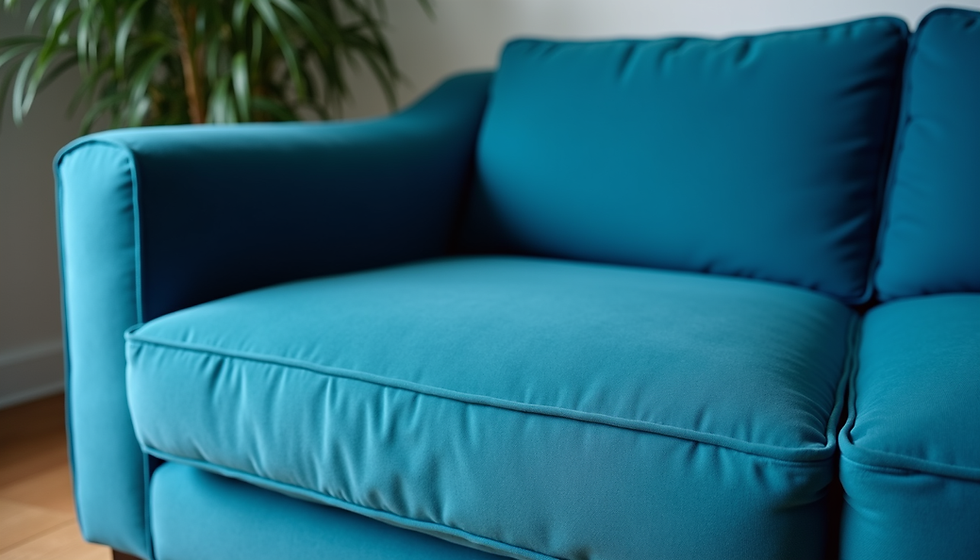
Velvet brings visual richness to a room. Its pile catches light differently from every angle, giving a chair, headboard, or sofa a depth that flat weaves cannot replicate. Modern velvets are no longer limited to formal spaces. Performance velvet and durable synthetic velvet can be surprisingly practical for households that want a more elevated look.
Velvet does require thoughtful selection. The direction of the pile can affect how the color appears, and pressure marks or shading may be visible on some constructions. Natural fiber velvets can be more delicate, while polyester and performance options generally provide stronger resistance to staining and everyday wear.
Velvet is particularly well suited to statement pieces: a sculptural lounge chair, a custom upholstered headboard, a dining banquette, or a pair of restored occasional chairs. It may not be the right choice for every large sectional, but it can add a level of finish that transforms a room.
Wool and wool blends for refined resilience
Wool is naturally resilient, textured, and resistant to wrinkling. It is a respected choice for tailored furniture, commercial seating, and interiors where longevity and a sophisticated hand matter. Wool blends can offer many of the same benefits at a more approachable price point, often with improved abrasion resistance.
Its natural texture can hide minor wear well, making it useful for office chairs, restaurant banquettes, and polished residential settings. On the other hand, wool may feel less soft than cotton or velvet, and it can be more expensive. Some wool fabrics also require professional cleaning, which should be factored into the decision.
Solution-dyed acrylic for patios and sunrooms
For patio cushions, lanai seating, covered outdoor spaces, and sunny interiors, solution-dyed acrylic is a leading choice. The color is integrated into the fiber rather than applied only to the surface, giving the fabric strong resistance to fading. It is also designed to handle moisture and frequent cleaning better than standard indoor fabrics.
Not every outdoor textile belongs indoors, however. Some can feel stiff or have a more casual texture than a formal living space requires. The best application is one where sun exposure, humidity, and outdoor use are genuine concerns. Proper cushion foam, drainage, thread, and construction are just as important as the fabric itself for exterior furniture.
How to Choose Upholstery Fabric Beyond Color
Once a fabric style catches your eye, look beyond the swatch. A small sample cannot fully reveal how a textile will behave across a large sofa or under daily use. Consider the furniture’s scale, cushion construction, exposure to light, and the amount of friction it will receive.
For heavily used seating, ask about abrasion testing, cleanability, pilling resistance, and whether the fabric is appropriate for the intended use. A high double-rub rating can be useful, but it is not the only measure of quality. A fabric must also be correctly woven, properly backed when needed, and installed with skill so seams, patterns, welting, and tailored details wear as intended.
Color deserves a practical conversation as well. Light neutrals can make a room feel expansive but may require more attentive care. Deep tones can conceal everyday marks but may show lint, pet hair, or sun fading depending on the fiber. Patterned fabrics can be forgiving and distinctive, yet they require careful pattern matching to look truly custom.
For designers and commercial clients, the decision also involves lead times, repeat consistency, code requirements, and the way fabric supports the larger design concept. A restaurant banquette, boutique seating area, or condominium lobby needs a material that reinforces the brand while standing up to continual use.
The finest choice is the one that respects the furniture and the life around it. Whether restoring an heirloom chair, designing a custom headboard, or renewing a well-built sofa, select a fabric that you will appreciate not only on installation day, but in the ordinary, well-lived years that follow.


Comments